Psychology
·
Cognitive Biases
·
motivated reasoning
Easy
5 min
Why Smart People Believe Wrong Things
Your brain works like a defense attorney for beliefs it already holds
Share
You've probably met someone brilliant who believes something you find obviously wrong. How does that happen? The uncomfortable answer: their intelligence isn't failing them. It's working against them.
Your brain makes thousands of decisions every day, and it can't reason carefully through all of them. So it takes shortcuts. Most of the time, these shortcuts work fine. But some of them are systematic — they don't just fail randomly, they fail in predictable directions. Psychologists call these cognitive biases. This lesson is about one of the most powerful: motivated reasoning. It's the reason a brilliant person can look at the same evidence as you and walk away completely confident in the opposite conclusion.
Motivated reasoning is what happens when your brain works backwards. Normally you'd think reasoning goes: gather evidence → weigh it → reach a conclusion. Motivated reasoning flips that. You reach a conclusion first — usually because it's comfortable, or it protects your identity, or it's what your team believes — and then your brain goes hunting for evidence to support it. The smarter you are, the better you are at finding that evidence. And the more convincing your reasoning sounds, to yourself and everyone else.
Make your call
A scientist reads a study that challenges a theory they've spent 20 years building. They're an expert in exactly this field. What do they most likely do?
A
Update their view — they know how to follow evidence
B
Dismiss it immediately without engaging
C
Scrutinize it far more harshly than studies that agree with them
Psychologist Ziva Kunda (1956–2004, Canada) ran experiments in the 1990s demonstrating exactly this. She found that people don't just want to reach accurate conclusions — they want to reach conclusions they're motivated to reach. But they have a rule: the conclusion has to feel like it was reached through legitimate reasoning. So they don't lie to themselves. They genuinely reason. They just reason selectively. They apply strict scrutiny to unwelcome evidence and generous scrutiny to welcome evidence. The result is a conclusion that feels earned, even when it was predetermined.
Key Insight
The smarter you are, the more dangerous motivated reasoning gets. Intelligence gives you more tools to rationalize. A less sophisticated thinker might just say 'I don't believe that.' A sophisticated thinker builds an airtight case for why the evidence is flawed, the methodology is suspect, and the conclusion was politically motivated. They're not lying. They genuinely believe it. That's the trap.
You've almost certainly done this. Think about the last time you read a news story that made you look bad — maybe it implicated a politician you support, or challenged something you've publicly argued for. Did you immediately think about the source's credibility? Did you notice methodological issues you'd have ignored if the story confirmed your view? That instinct isn't stupidity. It's your brain protecting something it values more than accuracy: your existing identity. Motivated reasoning isn't a character flaw. It's a feature that became a bug. The first step out of it is noticing that the feeling of certainty tells you nothing about whether you're right.
Related threads
Psychology
·
The First Number You Hear Is Running Your Life
·
anchoring
The First Number You Hear Is Running Your Life
Psychology
·
Losing Hurts Twice As Much As Winning Feels Good
·
loss aversion
Losing Hurts Twice As Much As Winning Feels Good
Psychology
·
Why You Keep Promising Tomorrow-You Will Deal With It
·
present bias
Why You Keep Promising Tomorrow-You Will Deal With It
Sources
Images from Wikimedia Commons. Attribution required by license.
human brain decision making
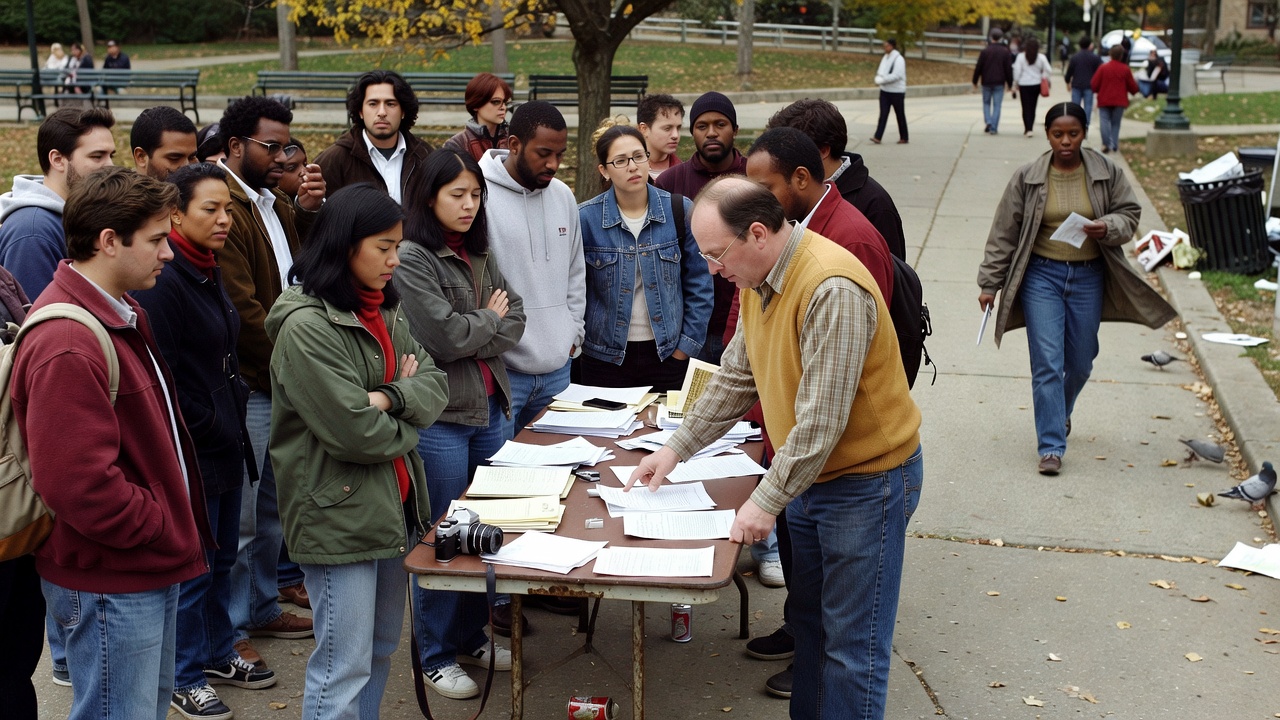
Generated by Grok Imagine (xAI), prompt: Generate a single 16:9 horizontal image for an educational lesson.
Lesson title: "Why Smart People Believe Wrong Things" · Your brain works like a defense attorney for beliefs it already holds
Domain:…
Arlington Sisu 1A — 1963
Gift of Philip J. Baugh via Smithsonian Open Access (CC0)
Quiz yourself