Personal-finance
·
How Money Machines Make Money
·
how a credit card makes money even when…
Medium
5 min
Your Card Company Gets Paid Every Time You Swipe
Why credit cards profit from customers who never pay a cent of interest
Share
You pay your credit card balance in full every month. No interest, no fees, no late charges. You're the dream customer — and the card company still made money off you today, probably twice.
Most people assume credit card companies make their money from interest — the 24% APR that kicks in when you carry a balance. And that's true for a lot of cardholders. But there's a second revenue stream that runs quietly in the background, hitting every single transaction, whether you're a responsible payer or a chronic debtor. It's called interchange, and it's one of the most elegant money machines in consumer finance.
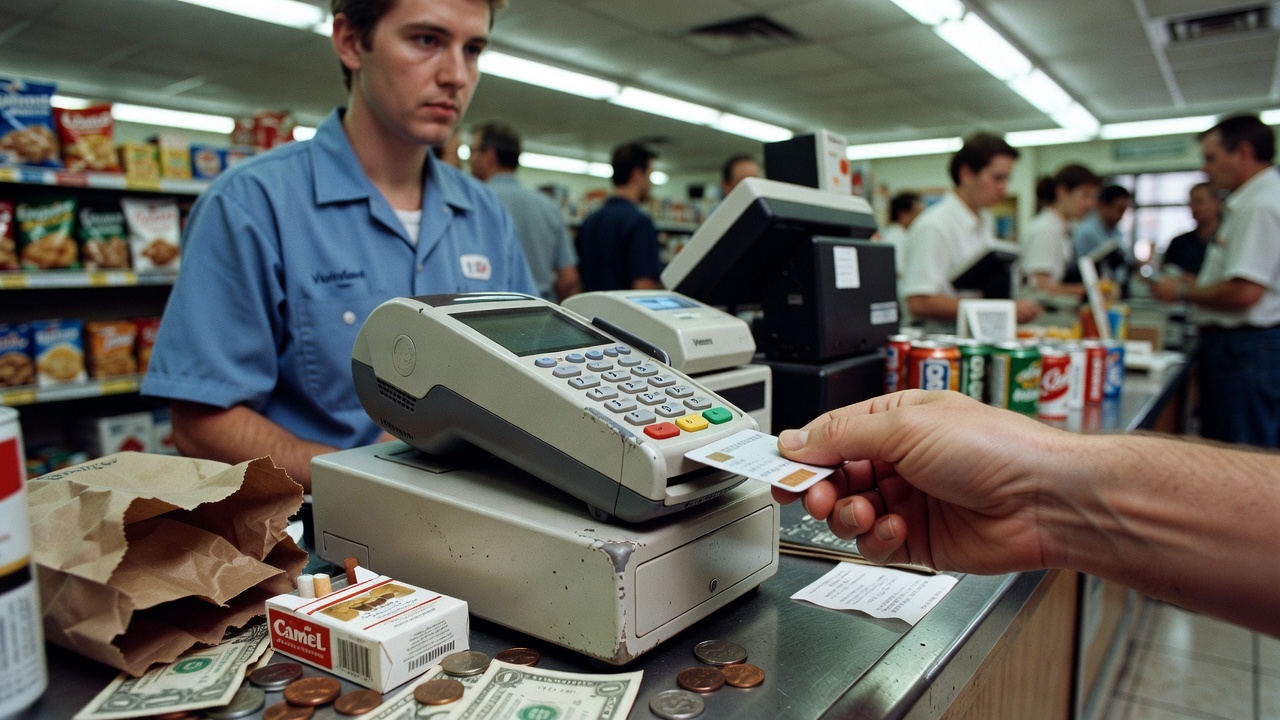
Every time you tap your card at a coffee shop, three things happen almost simultaneously. The payment goes through. You get your coffee. And the coffee shop receives slightly less money than you paid. That gap — typically 1.5% to 3.5% of the transaction — is the interchange fee, and it flows to your card's issuing bank. Buy a $5 latte, and the shop might net $4.85. Buy a $2,000 laptop, and the retailer hands over $30 to $70 before a single customer walks out the door.
Make your call
So who actually sets the interchange rate — and who has the power to change it?
A
The store decides, based on how much it wants to accept cards
B
Visa or Mastercard sets it, and stores must accept it or stop taking cards
C
The government regulates it like a utility
Visa and Mastercard set the interchange schedules, and they're not negotiating with individual coffee shops. The rates vary by card type (a rewards card charges more than a basic card), by merchant category (airlines and hotels pay different rates than grocery stores), and by whether the card was physically present. Merchants can theoretically refuse to accept cards — but in practice, going cash-only costs more in lost sales than the interchange fees do. So they pay. Every day, on every transaction, to every card network, for every customer who swipes.
Key Insight
Interchange is why your rewards points exist. The bank collects 2% from the merchant, hands you 1.5% back as cash or miles, and keeps the rest. Your rewards aren't a gift — they're a cut of what the store paid to have you shop there.
This creates a quiet subsidy that most people never notice. Cardholders — especially those using premium rewards cards — get real benefits funded by interchange. But those fees get baked into the prices every retailer charges. The coffee shop that's losing 3% on every card transaction isn't absorbing that cost forever; it's folded into the $5 price of the latte. Cash customers pay it too, invisibly. They're subsidizing the miles you're earning on your travel card. The interchange machine runs on everyone, whether they're swiping or not.
Related threads
Personal-finance
·
When Losing Money Is the Smart Move
·
lottery tickets and insurance can both…
When Losing Money Is the Smart Move
Personal-finance
·
Your Raise Won't Cost You Money
·
the bracket myth
Your Raise Won't Cost You Money
Personal-finance
·
Warren Buffett Bet a Million Dollars on Doing Nothing
·
the million-dollar bet on doing nothing…
Warren Buffett Bet a Million Dollars on Doing Nothing
Sources
Images from Wikimedia Commons. Attribution required by license.
credit card payment terminal
Generated by Grok Imagine (xAI), prompt: Generate a single 16:9 horizontal image for an educational lesson.
Lesson title: "Your Card Company Gets Paid Every Time You Swipe" · Why credit cards profit from customers who never pay a cent of int…
Quiz yourself