Governance
·
Corporate Governance
·
public companies and founder-led…
Medium
5 min
Who's Actually Running the Company?
Why the person in charge isn't always the person with the most to lose
Share
A company's CEO just approved a $400 million acquisition. It failed. The CEO kept their job, collected a $12 million bonus, and retired two years later. The shareholders who lost money? They never got a vote. How does that happen inside a company that's supposedly run for their benefit?
Corporate governance is the set of rules — formal and informal — that determine who controls a company and who it's actually run for. In a small business, the owner makes the calls and lives with the consequences. In a large public company, those two things come apart. The people making decisions aren't the same people whose money is on the line. That gap is where almost everything interesting in corporate governance happens.
Economists have a name for this gap: the principal-agent problem. The principals are the shareholders — they own the company. The agents are the executives hired to run it. The problem is that agents have their own interests, and those interests don't always line up with the principals'. A CEO might want a bigger empire, a safer strategy, a quieter quarter. Shareholders want returns. Those aren't the same thing, and the CEO is the one with their hand on the wheel.
Make your call
So here's the question the opening scenario raised: when a CEO makes a bad $400 million call, why don't shareholders just fire them? What do you think is the main reason they usually can't?
A
Shareholders don't find out about bad decisions until it's too late
B
Shareholders are too spread out and disconnected to act together
C
The board of directors protects the CEO from shareholder pressure
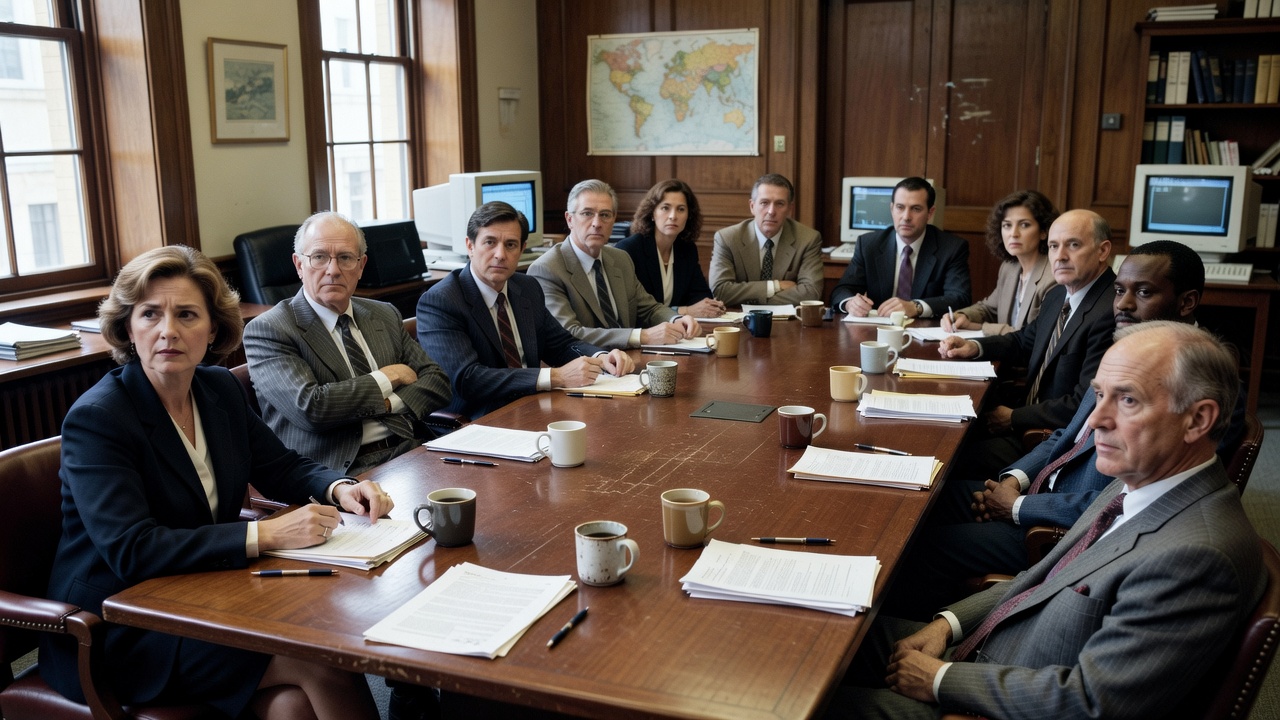
A typical public company has millions of shareholders. Most own a fraction of a percent. None of them have the time, information, or leverage to monitor what management is doing day to day. So they delegate oversight to a board of directors — a group elected to represent their interests. In theory, the board hires and fires the CEO, sets pay, and keeps strategy honest. In practice, boards are often chosen by the very CEO they're supposed to supervise. They meet a few times a year. They rely on management for information. The principal-agent problem doesn't disappear; it just moves up one level.
This is the world most large public companies live in. The CEO's job security depends more on keeping the board comfortable than on keeping shareholders rich. That's not corruption — it's just the structural reality of running a company where ownership is spread across millions of strangers who've never met.
Example
Now compare that to a founder-led company. When Jeff Bezos was running Amazon, he owned roughly 11% of the company — worth tens of billions. Every strategic call he made moved his own net worth directly. He didn't need external incentives to care about long-term value; the incentive was already baked in. He could also ignore short-term pressure from Wall Street in a way a typical CEO couldn't, because no board was going to fire the guy who built the thing and still controlled a huge chunk of it.
This is the core behavioral difference. A professional CEO at a public company is managing a career as much as a company. A founder with significant ownership is managing a legacy — and a personal fortune. Those two people respond very differently to the same set of pressures.
Key Insight
The principal-agent problem doesn't mean professional managers are bad. It means their incentives are different from owners' incentives — and different incentives produce different decisions, reliably, over time. Structure shapes behavior. That's the whole point.
Related threads
Governance
·
How Founders Stay in Charge After Selling the Company
·
dual-class shares
How Founders Stay in Charge After Selling the Company
Governance
·
What Happens When the Workers Own the Company?
·
Mondragon
What Happens When the Workers Own the Company?
Governance
·
When Your Boss Gets Paid in Stock, Whose Side Are They On?
·
stock-based pay
When Your Boss Gets Paid in Stock, Whose Side Are They On?
Sources
Images from Wikimedia Commons. Attribution required by license.
corporate boardroom shareholders
Generated by Grok Imagine (xAI), prompt: Generate a single 16:9 horizontal image for an educational lesson.
Lesson title: "Who's Actually Running the Company?" · Why the person in charge isn't always the person with the most to lose
Domain: …
Jeff Bezos Amazon early
Generated by Grok Imagine (xAI), prompt: Generate a single 4:3 horizontal image for an educational lesson.
Lesson title: "Who's Actually Running the Company?" · Why the person in charge isn't always the person with the most to lose
Domain: g…
Quiz yourself