Economics
·
Why Gas Prices Don't Change Your Habits
Medium
6 min
Why Gas Prices Don't Change Your Habits
Elasticity explains why some price changes reshape your habits and others barely register.
Share
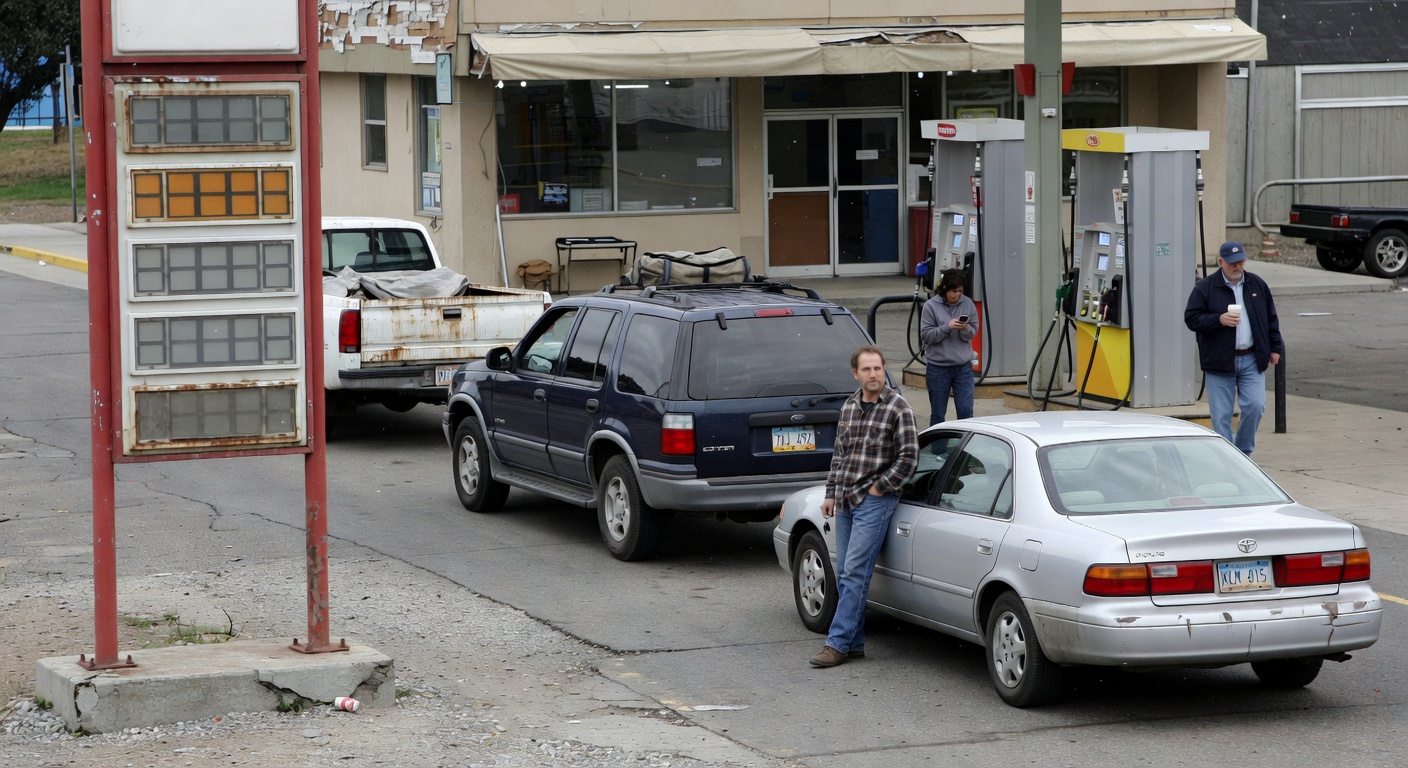
Gas prices spike 40% overnight. You're annoyed. You still fill up the tank. Meanwhile, a streaming service raises its price by $3 and half its subscribers cancel. Same move — raise the price — completely different result. Why does one price hike barely matter and the other causes chaos?
Every product has a hidden sensitivity setting. Raise the price a little — does demand collapse, or does it barely budge? That sensitivity is what economists call elasticity. And once you see it, you'll understand why companies price things the way they do, why some industries are brutal to compete in, and why governments taxing cigarettes doesn't actually stop many people from smoking.
Analogy
Think about your phone plan versus a fancy dinner out. If your carrier raises prices by 20%, you grumble but you stay — switching is a pain, you need data, there's no real alternative. That's inelastic demand: the price goes up, but your behavior barely changes. Now imagine your favorite restaurant raises prices 20%. Suddenly you're cooking at home, trying the place down the street, skipping it entirely. That's elastic demand: a price change actually shifts what you do. The difference isn't about how much you care. It's about whether you have options.
Make your call
Back to the opening puzzle: gas prices spike 40% and you still fill up, but a $3 streaming price hike sends half the subscribers running. What's the key difference between these two situations?
A
Gas costs more money overall, so people are more used to price swings
B
Streaming has easy alternatives and is a luxury; gas is a necessity with few substitutes
C
The gas price hike was temporary, so people waited it out
Key Insight
Elasticity is just this: if price goes up 1%, how much does demand change? If demand drops more than 1%, it's elastic — people are sensitive. If demand drops less than 1%, it's inelastic — people are locked in. That's the whole idea.
That's exactly why the gas spike and the streaming hike landed so differently — and it comes down to three things. First: substitutes. If there are easy alternatives, demand is elastic — you'll switch. No alternatives? Inelastic. Second: necessity versus luxury. Insulin is inelastic. A spa day is elastic. Third: time. In the short run, demand for almost everything is inelastic — people haven't adjusted yet. Give it a year, and people find workarounds. Gas demand appeared inelastic after the 2022 price spike, but over two years, EV sales jumped and people moved closer to work. Time turns inelastic demand into elastic demand.
Example
Airlines have figured out that business travelers are inelastic — they need to be somewhere Tuesday, their company is paying, they're not switching to a bus. Leisure travelers are elastic — they'll shift dates, fly a different carrier, skip the trip. Same plane, same seat, wildly different prices. The airline isn't being random. It's exploiting the elasticity gap between two groups. Every time you see a 'flexible fare' versus a 'basic economy' ticket, you're watching a company surgically price by elasticity.
Supply has elasticity too, and it's just as important. If prices rise, can producers quickly make more? If yes — elastic supply. If factories take years to build and raw materials are scarce — inelastic supply. This is why housing prices in cities like San Francisco or London stay brutal even when demand drops slightly. Supply is almost completely inelastic: you can't just build 50,000 apartments overnight. So price stays high. Meanwhile, t-shirt supply is highly elastic — factories can scale up fast — so a surge in demand gets absorbed quickly without prices exploding.
Key Insight
When both supply and demand are inelastic, whoever controls the product has enormous power. That's why OPEC cutting oil production by 5% can spike your gas prices by 30%. The math is brutal: small supply changes create giant price swings when neither side can adjust quickly.
There's one more twist that changes how you see the world. When demand is inelastic, raising prices actually increases total revenue — you lose a few customers but make more per customer, and the math works out. When demand is elastic, raising prices kills your revenue — too many people leave. This is why luxury brands sometimes raise prices on purpose. It signals exclusivity, and their customers — who are buying status, not just a product — are deeply inelastic. And it's why budget airlines compete on price so aggressively: their customers are extremely elastic, and even a $10 difference sends them to a competitor.
Related threads
Economics
·
Elasticity
Why Some Prices Bend and Others Break
Sources
Images from Wikimedia Commons. Attribution required by license.
gas station price sign
Generated by Grok Imagine (xAI), prompt: Generate a single 16:9 horizontal image for an educational lesson.
Lesson title: "Why Gas Prices Don't Change Your Habits" · Elasticity explains why some price changes reshape your habits and others b…
EBACE 2019, Palexpo, Switzerland
Matti Blume · CC BY-SA 4.0
Quiz yourself