Economics
·
Supply and Demand
Easy
8 min
What Really Moves Prices?
Unravel the forces shaping every price tag
Share
Ever wondered why the cost of your favorite concert tickets can skyrocket overnight?
Key Insight
At the heart of every price tag is a battle between want and will. The law of demand says the higher the price, the less you want it. Meanwhile, the law of supply says the higher the price, the more sellers will make it. When these two forces meet, they form the invisible handshake of the market: equilibrium.
Make your call
Back to those concert tickets that skyrocketed overnight — what actually caused the price to spike? Pick your best guess.
A
The venue raised prices to make more profit
B
Demand for tickets exceeded the fixed supply of seats
C
Ticket sellers reduced supply to create artificial scarcity
Analogy
That concert ticket mystery from the start? Here's your answer. When tickets sell out instantly and suddenly appear at 3x the price on resale apps, that's a shortage in action — more buyers than seats, so price climbs until the crowd thins. But if the headliner cancels, those prices plummet, and you've got a surplus. Every shift in price is these forces playing out in real time.
Ready to see the bigger picture? Next, dive into how these concepts connect with larger economic ideas like inflation, consumer behavior, and policy impacts. Understanding supply and demand is just the start.
Related threads
Economics
·
Supply and Demand
Why Everything Costs What It Does
Economics
·
Supply and Demand
·
Law of supply
Why Do Sellers Love High Prices?
Economics
·
Supply and Demand
·
Shifts vs. movements along the curve —…
Why Do Demand Curves Really Move?
Sources
Images from Wikimedia Commons. Attribution required by license.
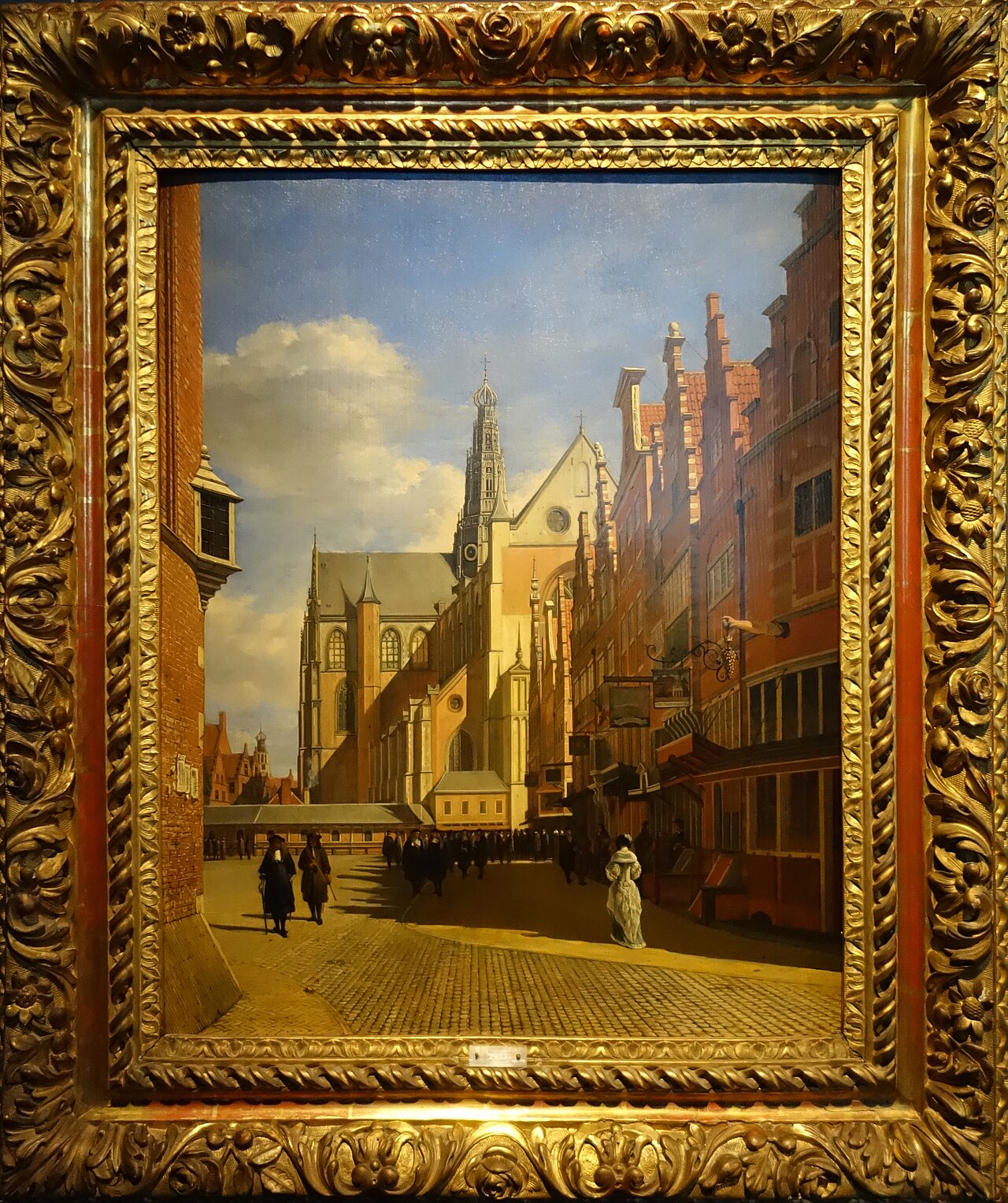
Gerrit Berckheyde, The Marketplace and the Grote Kerk in Haarlem (c. 1696) — a 17th-century Dutch market square where supply and demand were settled face-to-face
Gerrit Berckheyde via Wikimedia Commons (Public Domain)
Supply and Demand Graph
The Nookster · CC0
Astroworld Festival crowd crush memorial
WhisperToMe · CC0
Quiz yourself