Economics
·
Supply and Demand
·
Shifts vs. movements along the curve —…
Easy
5 min
Why Do Demand Curves Really Move?
Why prices move for different reasons and why it matters which one.
Share
Two things can look identical — a price spike — and mean completely opposite things about what's happening in a market. Getting them confused is how analysts and business owners make the wrong call every time.
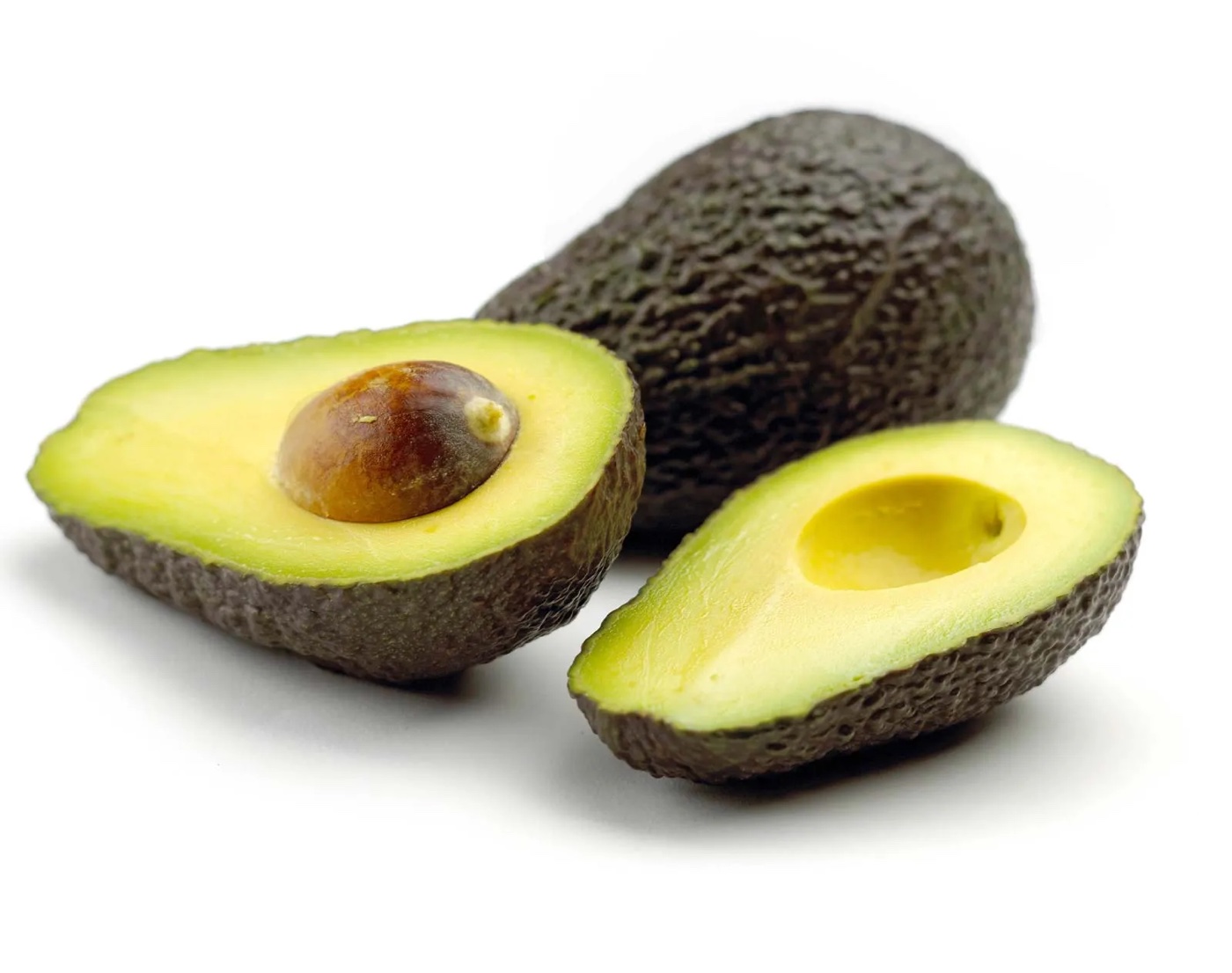
When avocado prices spike after a frost in Mexico, that's a shift — the supply curve moved because a non-price factor (weather) changed how much can be produced at any given price. When avocado prices spike because everyone saw the same guacamole reel on the same Saturday and suddenly every household wants avocados, that's demand moving — but whether it's a movement or a shift depends on what's driving it.
Here's the core distinction: a <b>movement along a curve</b> happens when the price itself changes and buyers or sellers respond. A <b>shift of the curve</b> happens when something other than price changes — income, tastes, input costs, the number of sellers — and the whole relationship between price and quantity gets redrawn.
Make your call
Avocado prices spike. A frost wiped out crops in Mexico at the same time a viral recipe sent demand through the roof. Which of these caused a *shift* in a curve — versus just a movement along one?
A
Both are shifts — any time prices change, a curve has shifted
B
The frost is a shift; the viral recipe is a movement along the demand curve
C
The frost is a shift; the viral recipe is also a shift — but of the demand curve
Example
Take the coffee market. A study comes out saying coffee prevents Alzheimer's. Suddenly everyone wants more coffee at every price — not because prices dropped, but because preferences changed. That's a <b>shift in the demand curve</b>. The whole curve moves right.
Now flip it: the same people were already buying coffee, and the price of beans drops by 30%. Consumers buy more because it's cheaper. The demand curve didn't move — they just slid down it to a new quantity. That's a <b>movement along the demand curve</b>.
Same market. Same buyers. Completely different story depending on what caused the change.
Supply works the same way. Say you run a food truck. Your ingredient costs start rising — cooking oil, packaging, produce. You can't produce the same meals at the old prices anymore. Your whole cost structure changed. That's a <b>supply shift</b> — the curve moves left, meaning you supply less at every price.
A competitor two blocks over raises prices this weekend because there's a food festival and the crowds showed up. That's a <b>movement along the supply curve</b> — higher prices are drawing out more supply from whoever's already in the game.
If you're the food truck owner, you'd make radically different long-term decisions based on which one it is. A shift means your business model needs rethinking. A movement means you wait it out.
The non-price factors that shift curves have names — economists call them 'determinants of supply and demand' — but the list is less important than the logic. For demand, they're things like income, tastes, prices of related goods, and expectations about the future. For supply, they're input costs, technology, number of producers, and government policy.
When any of those change, the whole curve relocates. Every price on the axis now corresponds to a different quantity than before. The market has to find a new equilibrium from scratch.
When price alone changes, nobody relocates. You just move to where you already were headed on the same curve.
Key Insight
That's the price spike from the hook: same number on the tag, but a frost means the supply curve relocated while a viral craving means the demand curve did. Watch what caused the move — a movement means the curve held; a shift means the whole game changed.
Related threads
Economics
·
Supply and Demand
Why Everything Costs What It Does
Economics
·
Supply and Demand
·
Law of supply
Why Do Sellers Love High Prices?
Economics
·
Supply and Demand
·
Shortages and surpluses
Why Some Prices Refuse to Budge
Sources
Images from Wikimedia Commons. Attribution required by license.
1930-67B: The trading floor of the New York Stock Exchange six months after the crash of 1929.
Unknown authorUnknown author · Public domain
1930-67B: The trading floor of the New York Stock Exchange six months after the crash of 1929.
Unknown authorUnknown author · Public domain
War ration book one — 1945
Gift of the children of Lt. George C. Myers Sr. via Smithsonian Open Access (CC0)
Quiz yourself