Economics
·
Why Prices Rise
·
Demand-pull
Medium
7 min
When Everyone Wants It at Once
Why a flood of buyers is often what makes prices explode.
Share
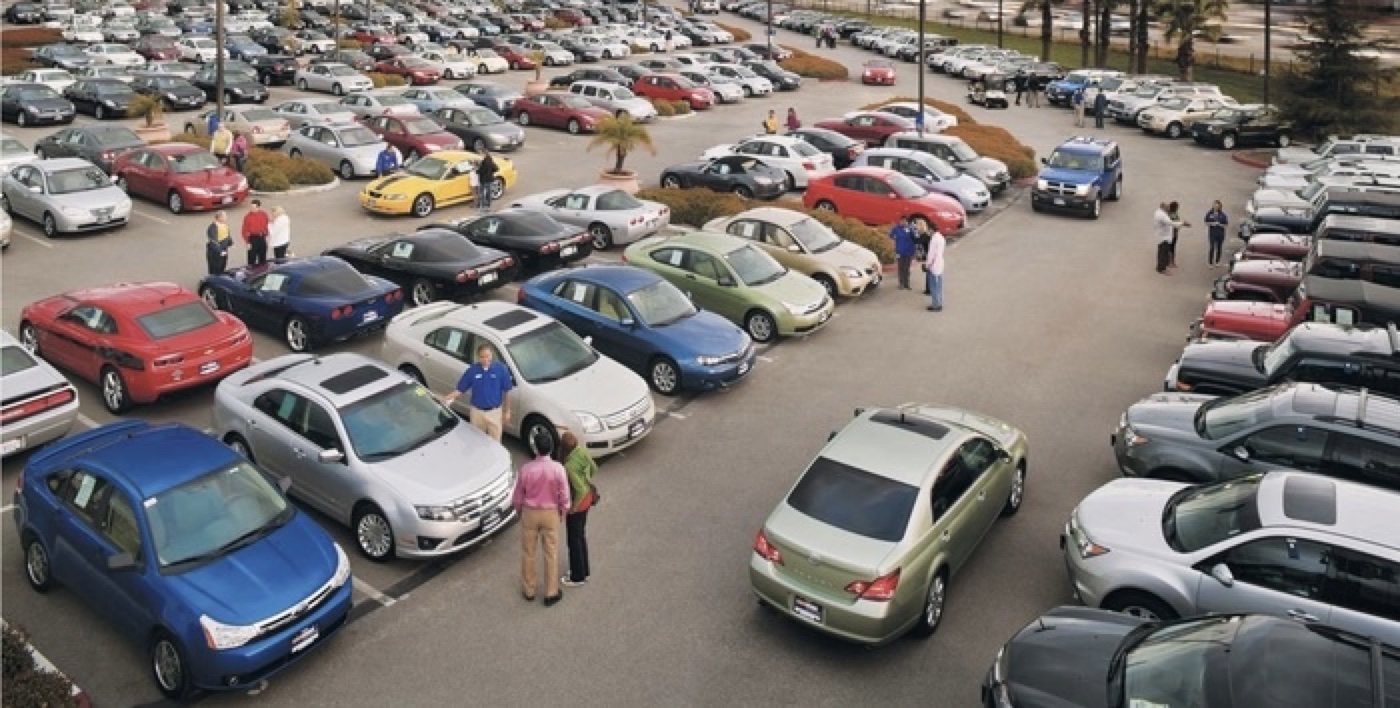
It's 2021. You're trying to buy a used car. The lot that had 200 vehicles a year ago has 12. And the guy next to you just offered $4,000 over sticker. Welcome to demand-pull inflation — and you're living inside it.
The simplest version of demand-pull inflation: too many dollars, not enough stuff.
Not because sellers got greedy. Not because oil got expensive. Just because demand outran the economy's ability to produce things fast enough — the total amount people were willing and able to spend exceeded what could actually be made and delivered.
When that happens, prices don't just rise. They get bid up. Buyers compete with each other, and sellers realize they can charge more and still sell everything. So they do.
Make your call
Back to that empty car lot from 2021. Prices jumped 30% in a single year — but dealers didn't secretly collude, and oil didn't get more expensive. So what actually drove prices that high?
A
Dealers saw an opportunity and raised prices to maximize profit margins
B
Buyers competed with each other for scarce cars, bidding prices up regardless of what dealers wanted to charge
C
The government printed money, which automatically inflated the price of goods
Example
The 2021 used car market is one of the cleanest real-world examples of demand-pull inflation you'll ever see.
COVID hit, and rental car companies sold off their fleets to survive. Auto factories shut down. Semiconductor shortages meant new cars couldn't be built fast enough. Supply cratered.
At the same time, the government sent out stimulus checks. People who couldn't travel or go to restaurants had cash sitting around. And a lot of them needed a car. Suddenly, millions of buyers were chasing a fraction of the normal supply.
The result? The average used car price jumped roughly 30% in a single year. Dealers were selling cars above MSRP — something that almost never happens. People were paying more for a three-year-old car than it cost new.
That's not gouging — it's the exact dynamic from the lot in the hook. That's what happens when demand overwhelms supply and buyers start outbidding each other.
So what actually triggers demand-pull in the first place? It almost always comes from one of two places.
First: people suddenly have more money to spend. Government stimulus, tax cuts, a booming job market, or easy credit — anything that puts more purchasing power in people's hands. When everyone gets a raise at the same time, they all go shopping at the same time. Prices follow.
Second: the economy is already running at full speed and demand keeps climbing anyway. Economists call this 'overheating.' When unemployment is very low and factories are running flat out, there's no slack left to absorb extra demand. The only place extra spending can go is into higher prices.
Both of these were happening in 2021-2022. Stimulus checks hit. Interest rates were near zero, so borrowing was cheap. People had pent-up demand from a year of lockdowns. And supply chains were still a mess. The economy got hit with demand-pull from every direction at once.
Key Insight
The key insight: demand-pull inflation isn't about any single price going up. It's what happens when total spending in the economy grows faster than total output. When the pile of money grows but the pile of stuff doesn't, the only thing that can balance them is higher prices.
Demand-pull inflation can start with genuinely good news.
A booming job market means more people are employed and earning. That's great. But it also means more people spending. If the economy can't produce more goods fast enough to meet that spending, prices rise. The prosperity itself becomes inflationary.
Same with stimulus. Sending people money during a crisis saves jobs and prevents economic collapse — but if that money floods into an economy where supply is constrained, it pulls prices up. Policymakers aren't choosing between good policy and inflation. They're constantly trading off between them.
This is why demand-pull inflation is so politically messy. The thing that caused it — people having more money, a strong economy — feels like success. The inflation that follows feels like a betrayal. Both are real, and they're two sides of the same dynamic.
When the Federal Reserve and Congress pumped trillions into the economy in 2020-2021, the goal was to prevent a depression — but the flood of new spending money, meeting a supply-constrained economy, became textbook demand-pull inflation by 2022.
One more thing worth understanding: demand-pull doesn't stay neat and contained. Once prices start rising because of demand, something else can kick in — people's expectations start to shift. Workers ask for raises because things cost more. Companies raise prices preemptively because they expect their costs to rise. Demand-pull can quietly hand the baton to a different, nastier mechanism.
We'll get there. But for now, the core thing to hold onto is this: before inflation becomes a self-reinforcing spiral, before central banks start panicking, before anyone talks about wage-price dynamics — it often starts here. With too much money. Not enough stuff. And a lot of people trying to buy at the same time.
Sources
Images from Wikimedia Commons. Attribution required by license.
1930-67B: The trading floor of the New York Stock Exchange six months after the crash of 1929.
Unknown authorUnknown author · Public domain
Quiz yourself